ryo77160@gmail.com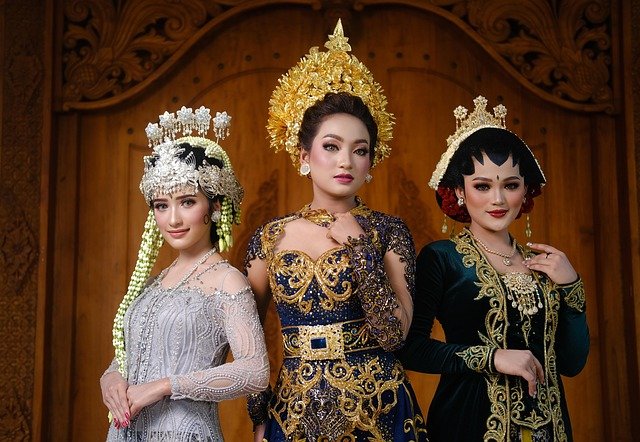
Java, the most populous island in Indonesia and one of the most densely populated places on Earth, is a vibrant hub of culture, history, and economic development. Home to over 150 million people, Java plays a central role in the political, cultural, and economic life of Indonesia. Whether you’re a traveler, a history enthusiast, or someone curious about Southeast Asia, Java offers a fascinating world to discover.
1. Geographic Overview
Java is located between Sumatra to the west and Bali to the east, and it stretches roughly 1,000 kilometers in length. Despite being smaller in size compared to some other Indonesian islands, Java is the most important island politically and economically.
Java is divided into six provinces:
- Banten
- West Java (Jawa Barat)
- Central Java (Jawa Tengah)
- East Java (Jawa Timur)
- Yogyakarta Special Region
- Jakarta Special Capital Region
2. Capital City: Jakarta
Jakarta, located on the northwest coast of Java, is the capital of Indonesia and one of the largest cities in Southeast Asia. It is a bustling metropolis known for:
- Skyscrapers and modern shopping malls,
- Traffic congestion and rapid urbanization,
- Rich cultural diversity with a blend of ethnicities and languages.
Jakarta is the political and economic heart of the country, though plans are underway to relocate the capital to Nusantara in East Kalimantan.
3. Culture and History
Java is the cultural heart of Indonesia. It is home to Javanese civilization, which has a rich history dating back over a thousand years.
Historical Highlights:
- Borobudur: The largest Buddhist temple in the world, located in Central Java.
- Prambanan: A majestic Hindu temple complex near Yogyakarta.
- Sultanate of Yogyakarta: Still exists today as a special region with its own monarchy.
- Java was the center of powerful ancient kingdoms like Majapahit and Mataram.
Javanese culture is deeply spiritual, artistic, and philosophical, often expressed through:
- Wayang kulit (shadow puppetry),
- Gamelan music,
- Batik fabric design,
- Traditional dance and theater.
4. Natural Beauty and Landscapes
Java’s landscape is both beautiful and dramatic. The island is dominated by volcanoes, fertile plains, and coastal areas.
Famous Natural Attractions:
- Mount Bromo: An active volcano and one of Java’s most iconic travel destinations.
- Dieng Plateau: A highland area with temples, hot springs, and volcanic craters.
- Ijen Crater: Known for its blue fire and sulfur mining.
- Karimunjawa Islands: A tropical marine paradise off the northern coast.
The land is extremely fertile, which supports Java’s dense population and rice agriculture.
5. People and Language
The majority of Java’s population are ethnic Javanese, but there are also large Sundanese, Madurese, and other groups.
- The main language is Javanese, with many also speaking Bahasa Indonesia and Sundanese.
- Java is known for its polite and hierarchical social structure, rooted in Javanese philosophy and traditions.
6. Economy and Industry
Java is the economic powerhouse of Indonesia:
- Major industries include manufacturing, services, trade, education, and tourism.
- Java produces goods ranging from electronics to textiles and agricultural products.
- The island is home to top universities and is a major center for startups and innovation in Southeast Asia.
7. Tourism and Experiences
Visitors to Java can experience a mix of ancient history, natural beauty, and modern city life.
Top Travel Spots:
- Yogyakarta: Cultural center with access to temples and traditional arts.
- Bandung: Known for fashion, cool weather, and creative energy.
- Surabaya: A busy port city and commercial hub.
- Malang: A peaceful city surrounded by mountains and colonial architecture.
Travelers can enjoy a mix of culinary experiences, from street food like bakso and nasi gudeg to upscale dining.
8. Challenges and Growth
Despite its progress, Java faces several challenges:
- Overpopulation and traffic congestion in urban areas.
- Environmental degradation, including air pollution and deforestation.
- Unequal development, with rural areas lagging behind urban centers.
Still, Java continues to be at the forefront of Indonesia’s development, with efforts to improve infrastructure, education, and sustainability.
Conclusion
Java is much more than just the most populated island in Indonesia — it is a land where tradition and modernity meet, where volcanoes rise next to rice fields, and where centuries-old temples stand beside bustling cities. Whether you’re exploring its history, landscapes, or people, Java offers a rich and unforgettable experience that captures the true essence of Indonesia.